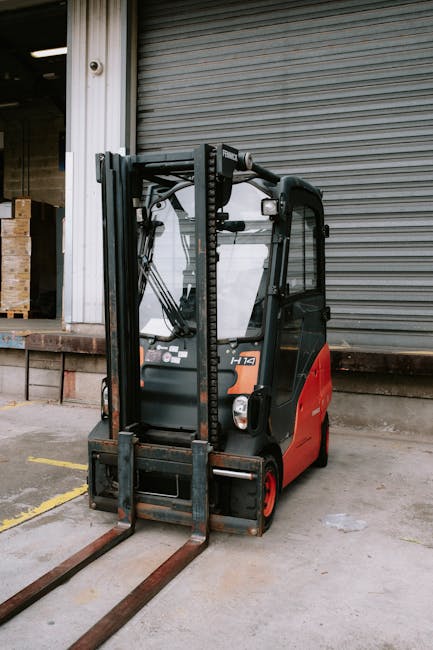
Parking fines and loading rules for moves in Merton
Moving day in Merton can feel like a juggling act: boxes on the pavement, the van arriving a bit too early, someone asking where the kettle went, and the constant worry that you might come back to a parking ticket. That is exactly why understanding parking fines and loading rules for moves in Merton matters. If you load smartly, keep to the right bay, and plan around local restrictions, you can save time, stress, and money. Truth be told, most moving headaches start with parking, not packing.
This guide explains the practical side of loading near your property, how moving vehicles are typically managed, what can trigger a penalty, and how to organise your move so it runs smoothly. It also covers the common mistakes people make, the checks worth doing the day before, and when it makes sense to use a service such as man and van support, professional removals, or short-term storage to reduce pressure on the day.
Table of Contents
- Why parking and loading rules matter
- How loading and parking restrictions work in practice
- Key benefits of planning ahead
- Who this is for and when it makes sense
- Step-by-step guidance for a smoother move
- Expert tips for avoiding fines
- Common mistakes to avoid
- Tools, resources and practical recommendations
- Law, compliance and best practice
- Options and comparison table
- Case study or real-world example
- Practical checklist
- Conclusion
- Frequently asked questions
Why Parking fines and loading rules for moves in Merton Matters
Parking rules are not just a minor nuisance during a move; they can shape the whole day. A van that cannot stop close to the property means longer carrying distances, slower loading, more chance of damage, and a lot more exhaustion by lunchtime. If you are moving from a flat on a busy road, or trying to shift furniture from a narrow street with limited stopping space, even ten extra metres feels like fifty.
In Merton, as in much of London, streets can be busy, bays can be shared, and restrictions can change from one side of a road to the other. A quick stop that feels harmless can be treated very differently if it blocks traffic, sits in a restricted bay, or breaches loading conditions. Nobody wants to finish a move by reading a penalty notice on the windscreen. That little piece of paper has a way of ruining the mood, doesn't it?
This matters even more if you are on a tight schedule. Utility handovers, removal crews, lift bookings, landlord appointments, and storage drop-offs all rely on timing. If parking goes wrong, the whole chain gets messy. Planning for parking and loading is really about protecting the rest of the move.
Key takeaway: the cheapest way to avoid a parking fine during a move is usually not luck, but a clear plan: check restrictions, keep loading efficient, and leave the van where it is allowed to stop.
How Parking fines and loading rules for moves in Merton Works
Loading rules are the practical exceptions that sometimes allow a vehicle to stop where normal parking would not be permitted. The important part is that loading is not the same as parking. It usually means active, continuous movement of goods between the property and the vehicle, with no long pause for coffee, phone calls, or waiting around while someone hunts for keys. A bit blunt, but that is how enforcement tends to view it.
Whether a loading exception applies depends on the location, the markings, the time of day, and the type of restriction in force. Some places allow loading only for a limited period. Others may prohibit it at certain times altogether. On a busy moving day, the difference between "can stop for loading" and "can't stop here at all" is the difference between calm progress and a very expensive mistake.
Parking fines usually come into play when a vehicle is observed stopping in a place that breaks the local rules. For moves, the most common risks are stopping in a permit-only bay without permission, blocking a dropped kerb, using a bay outside its loading window, staying longer than is reasonable for active loading, or letting the van sit unattended for too long. If you are moving bulky items, a sofa does not exactly stroll itself to the van, so the process must still look and feel like loading, not just an informal roadside pause.
It is also worth remembering that moving in Merton often means dealing with real-world constraints rather than perfect conditions. Streets are tighter near some residential blocks, one-way systems can complicate van access, and apartment moves may rely on lift booking slots or concierge access. That is where services such as flat removals and small removals can help reduce the time your van spends waiting at the kerb.
What counts as loading?
In simple terms, loading means moving items between the property and the vehicle in a continuous, purposeful way. It does not usually mean the vehicle can stay put indefinitely just because you are moving house. If you are taking a long break to organise belongings, return upstairs, or wait for family to arrive, that is where problems begin. Enforcement does not need perfection, but it does expect a genuine loading activity.
What makes a move more likely to get fined?
- Stopping where the sign or markings do not allow loading.
- Leaving the van unattended for long stretches.
- Assuming "it's only a few minutes" makes the stop acceptable.
- Blocking access to neighbours, driveways, or traffic.
- Failing to check whether a bay is shared with resident or visitor use.
Key Benefits and Practical Advantages
Getting the parking side right brings more benefits than people first expect. Yes, avoiding a fine is the obvious one. But there are other gains that make the whole move easier and less fraught.
First, you save time. A van parked legally and near the entrance means quicker loading, fewer trips, and less wasted effort. That matters when you are carrying boxes, mattresses, or office furniture in and out of stairwells.
Second, you reduce physical strain. The further you have to walk with heavy items, the more tiring the move becomes. Anyone who has carried a wardrobe down a driveway in drizzle knows the difference is real, not theoretical.
Third, you lower the chance of damage. Shorter carrying distances reduce the odds of banging door frames, scratching banisters, or dropping items on the pavement.
Fourth, you keep neighbours happier. A move that is organised, swift, and reasonably considerate tends to cause less friction on the street. That is a small thing, but a useful one.
Fifth, you protect the schedule. If you are coordinating cleaners, landlords, storage arrivals, or keys, a parking issue can throw the whole day off. Sometimes the fine is not even the biggest loss; it is the delay that follows.
For many households, a sensible fallback is to use removals and storage so the move can be split into calmer stages. That can be especially helpful if parking near the new place is awkward or if the old property has no easy stopping point.
Who This Is For and When It Makes Sense
This topic matters to almost anyone moving items in or around Merton, but a few groups feel the pressure more than most.
- Home movers carrying furniture, boxes, and fragile personal belongings.
- Flat movers dealing with shared entrances, lifts, and limited roadside space.
- Students moving in or out during busy changeover periods.
- Small business owners shifting stock, archive boxes, or office equipment.
- Landlords and letting agents coordinating end-of-tenancy clearances.
- Anyone using a van for temporary loading, not just full removals.
It also makes sense for people moving between storage and home. If the new place is not ready, or you need a buffer because parking is tight, a storage stop can take pressure off the schedule. Options like household storage, furniture storage, and student storage are often the difference between a rushed, awkward day and a much more manageable one.
Office relocations are a separate beast. They often involve larger deliveries, time-sensitive equipment, and strict building access windows. If that sounds familiar, office removals and office storage can help you move in stages while staying on the right side of loading rules.
Step-by-Step Guidance
Here is the practical way to handle parking and loading before moving day. Not glamorous, perhaps, but it works.
- Check the street outside both properties. Look for bay markings, kerb restrictions, yellow lines, resident permit signs, and any loading-only notes. Do this for both the old address and the new one. People often check only one side and assume the other will be fine. It rarely is.
- Work out the likely loading point. Decide where the van should stop, how far items must travel, and whether there is room for trolleys or sack trucks. A few minutes of planning can save a lot of awkward backtracking.
- Time the loading carefully. Try to choose a window when the street is quieter. Early morning can be calmer, but in some places it can also be the peak time for school traffic or bin collections. Midday may be better. Sometimes you only discover the rhythm of a street by standing there with a box in your arms. Lovely, really.
- Keep the vehicle actively in use. If the van is in a loading area, the loading should look continuous and purposeful. Avoid long pauses unless there is a genuine reason and the rules allow it.
- Separate what must go first. Put the essential items, fragile pieces, and heavy furniture near the exit in advance. A clear front hall makes a surprising difference.
- Use storage if the timing is messy. If keys, access, or parking are not lining up, move items into storage first. Services like mobile self storage and secure storage can reduce the stress of waiting around on the street.
- Keep proof of access or permission. If you have arranged permission for loading, keep notes handy. Even where no permit is needed, being able to explain what you are doing clearly can help if questions arise.
A small but useful habit: make one person the "parking watcher". Their job is not glamorous, but it keeps the van, the rules, and the time limit in view while everyone else carries boxes.
Expert Tips for Better Results
After plenty of moving-day chaos, a few patterns show up again and again. The people who avoid fines usually do the boring things well.
Use the shortest route from door to van. If you can move furniture through a side gate, shared hallway, or closer access point, do that. The goal is to reduce the time the vehicle spends stopped.
Pack in move order. Heavy items first, then medium boxes, then the awkward bits. A sofa wedged behind six loose bags is a headache waiting to happen. Packing support from packing services can help you organise items so loading is quicker and cleaner.
Pre-label by room and priority. It sounds basic, but it trims minutes from every trip. Those minutes add up quickly when parking is restricted.
Keep changeover clutter down. If hallways are full of loose items, the team moving in and out will slow down. A tidy path can shave enough time off loading to keep you inside a sensible window.
Don't leave the van to "just pop in" for too long. One of the easiest ways to drift from loading into a penalty is to treat the stop as a waiting bay. It is not. That little distinction matters a lot.
Have a fallback plan. If the road is blocked, a neighbour parks badly, or access is tighter than expected, know where you can briefly reposition the van. Flexible planning is far better than hoping the street will magically stay clear.
If you are moving a smaller load, a service like local removals can sometimes be more practical than trying to manage a large van on a narrow road for half a day. Less waiting, less noise, less hassle. Nice and simple.
Common Mistakes to Avoid
Most moving-day parking mistakes are understandable. They are also avoidable.
- Assuming loading is always allowed. It is not. Some bays and restrictions simply do not permit it at certain times.
- Underestimating how long the load will take. A "quick" move has a habit of turning into a whole morning.
- Parking too far away from the entrance. Even if the vehicle is legal, a long carry can make the move drag and increase the chance of damage.
- Leaving items scattered on the pavement. That can frustrate neighbours and create a safety risk.
- Not planning for heavy or bulky furniture. Wardrobes, sofas, and appliances need a different approach from boxes.
- Forgetting about return journeys. If you are making multiple trips, you need a parking plan for each one, not just the first.
- Ignoring the move-out timing. If keys need to be handed back by a certain point, any parking delay becomes a bigger problem than it first looks.
There is a slightly awkward truth here: many people spend hours choosing the right boxes, then give the parking plan about thirty seconds. It is the wrong way round. Parking can be the bit that decides whether the rest of the day feels smooth or slightly chaotic.
Tools, Resources and Recommendations
You do not need a mountain of equipment, but the right tools make loading faster and less risky.
- Furniture blankets and straps to protect bigger items during short loads.
- Trolley or sack truck for heavier boxes, white goods, or stacked storage items.
- Door wedges to keep entrances safely open while people are carrying.
- Labels and marker pens to speed up room sorting.
- Phone notes or a simple written plan for times, access points, and who is doing what.
- Storage units or mobile storage if the move cannot happen in one clean sweep.
For many readers, the most useful resource is not a gadget at all, but a calmer schedule. That is why self storage and house removals can be a smart combination when parking is awkward or access is split across different days.
If you are planning a move with particularly awkward access, it is sensible to compare options rather than forcing a one-size-fits-all approach. A large van may not always be the best answer. Sometimes a smaller vehicle and a little more organisation is the quicker route, honestly.
Law, Compliance, Standards, or Best Practice
This section needs careful wording. Parking enforcement, loading allowances, and moving-day restrictions can vary depending on the street, the type of bay, and the local signage in place. In London, councils generally expect drivers to follow the posted restrictions exactly. If a loading exemption exists, it normally still requires genuine loading activity and reasonable behaviour. In practice, that means you should never assume a roadside stop is safe just because you are moving house.
The safest best practice is simple:
- Read the signs on the street, not just online advice.
- Assume restrictions may change by time of day.
- Keep the vehicle active if you are relying on loading.
- Do not block pavements, driveways, or emergency access.
- Be ready to move the vehicle if conditions change.
There is also a wider duty to move safely. Handling heavy items, keeping walkways clear, and loading in a controlled way are part of good practice, whether you are moving a home or relocating a business. If you want reassurance around operational standards, our health and safety policy and insurance and safety information are useful starting points. For service terms, terms and conditions can help set expectations clearly.
One more thing: if you are unsure whether a stop is legally safe, it is usually better to choose a legal bay, use a smaller vehicle, or split the move than to gamble on a fine. That is just the practical, grown-up answer.
Options, Methods, or Comparison Table
Different moving setups create different parking risks. This quick comparison can help you choose the least stressful method for your situation.
| Moving method | Parking pressure | Best for | Main drawback |
|---|---|---|---|
| Single large van | Higher | Full house moves with lots of items | Needs more space and a stronger loading plan |
| Man and van | Medium | Smaller moves and flexible timing | May require multiple trips for bigger loads |
| Storage first, then move later | Lower on moving day | Staggered moves or awkward access | Two-stage process can take longer overall |
| Specialist removals team | Lower if well planned | Busy streets, bulky furniture, time-limited access | Usually needs earlier booking |
If your move includes business equipment or archive boxes, the flexibility of business storage or document storage can take some of the pressure off the street-level loading stage. That is especially helpful when parking near the office is already tight.
Case Study or Real-World Example
Imagine a family moving from a second-floor flat in Merton to a house a few streets away. The old property is on a road with limited stopping space, and the new one has on-street parking that fills quickly after school drop-off. They initially plan to use one van, load in a single sweep, and hope to stop close to both addresses. Fair enough in theory. In practice, it is a headache waiting to happen.
Instead, they split the move into two stages. Larger furniture goes into mobile self storage the day before. On moving day, they use a smaller van for the essentials, keep the loading route clear, and avoid trying to park in a "nearly okay" spot. The result is a calmer loading process, less time with the van sitting idle, and no frantic dash because the council-style parking clock is ticking in the background.
The biggest lesson? The move feels slower in the planning stage, but faster on the day. That is one of those little truths people only appreciate after they have tried it the hard way once.
Practical Checklist
Use this before moving day. It is simple, but it catches the problems people usually miss.
- Check parking signs outside both addresses.
- Identify any loading restrictions or time windows.
- Decide where the van will stop.
- Measure access routes for bulky items.
- Prepare labels for rooms and priority boxes.
- Keep trolleys, straps, and blankets ready.
- Plan who watches the van while others carry items.
- Allow extra time for stairs, lifts, and delays.
- Move non-essentials into storage if needed.
- Have a backup plan if the street is full.
Quick reassurance: if this all feels like a lot, that is normal. Moving is one of those jobs where the small details pile up quickly. The good news is that once parking and loading are sorted, the rest tends to fall into place more easily.
Get a free quote today and see how much you can save.
Conclusion
Parking fines and loading rules for moves in Merton are not something to leave to chance. The street outside your property can shape the whole moving day, from how fast you load to how much energy you have left at the end. A careful plan, the right vehicle, and a sensible backup option can make a huge difference.
If there is one thing to take away, it is this: treat parking as part of the move, not an afterthought. Check the signs, keep loading purposeful, and use storage or a smaller vehicle where that makes the day easier. It is a bit less dramatic, maybe, but much more reliable.
And when the last box is in, the van pulls away cleanly, and the street quiets down again, you will be glad you took the time to do it properly.
Frequently Asked Questions
Can I stop in a loading bay while moving house in Merton?
Sometimes, yes, but only if the bay and the time of day allow loading and your activity genuinely counts as loading. Always check the street signs carefully.
What is the difference between parking and loading?
Parking is leaving a vehicle stationary for a period. Loading means actively moving items between the property and the vehicle. Enforcement usually expects visible, continuous loading activity.
How long can a moving van stay in a loading area?
There is no single universal answer. It depends on the local restriction, the signage, and whether loading is actively taking place. If in doubt, assume you need to move efficiently and keep interruptions short.
Will I get fined if I leave the van for a few minutes?
Possibly. Even a short stop can be risky if the restriction does not allow loading, or if the vehicle looks unattended. A few minutes can be enough for a problem to start.
Do I need a permit for loading during a move?
Not always, but some roads or bays may require permission or have specific restrictions. It is best to read the signs and, where needed, plan around them rather than guessing.
What if there is nowhere legal to park near my new place?
That is where a smaller vehicle, staggered loading, storage, or a more flexible move plan can help. A temporary storage stop is often easier than forcing a risky roadside stop.
Are flats harder than houses for parking and loading?
Usually, yes. Flats often have shared entrances, tighter access, and less space for vehicles. Planning the route from door to van matters more, and services like flat removals can make the process easier.
Can I use a friend's car or small van instead of a removals vehicle?
Yes, if the load is small and the parking situation is awkward. Sometimes a smaller vehicle is simply the smarter option. Less drama, fewer complications.
What should I do if the road is blocked on moving day?
Stay flexible. If possible, reposition the van, reduce the load carried at once, or switch to a fallback access point. Trying to force the original plan is usually what creates the problem.
Is it better to use storage before a move in Merton?
It can be, especially if parking is limited, the move is split across days, or you need to avoid a long roadside loading period. Short-term or mobile storage can make the whole process calmer.
How do I reduce the chance of a parking fine during a move?
Check the signs, keep loading continuous, avoid unattended stops, choose the right vehicle size, and plan your route before the van arrives. Good planning is the real trick here.
Can professional removals help with parking problems?
Yes. A good removals plan can reduce loading time, keep the van moving efficiently, and help you choose the best method for the street and property type. It does not remove the rules, of course, but it can make them much easier to manage.