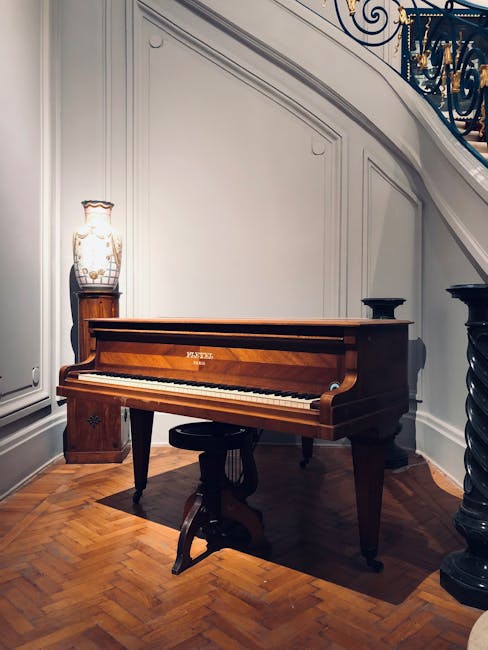
Stairs, pianos and awkward items: Merton specialist moves

Moving a sofa is one thing. Moving a piano up a narrow staircase, or getting a bulky wardrobe round a tight Merton landing, is something else entirely. That is where Stairs, pianos and awkward items: Merton specialist moves comes in. It is the practical side of moving that people tend to underestimate until the day arrives and the front door suddenly looks two inches too small. If you are planning a move in Merton, this guide explains how specialist handling works, why it matters, and how to avoid the kind of problems that turn a moving day into a long, sweaty story you tell for years.
Below, you will find a clear walkthrough of the process, what a specialist move is really for, when it is worth booking, and how to prepare so the job goes smoothly. There are also useful comparisons, a checklist, and answers to the questions people ask most often.
Why Stairs, pianos and awkward items: Merton specialist moves Matters
Let's be honest: most moves are not just about lifting boxes. They are about angles, floor protection, timing, and not scratching the walls you just spent all weekend painting. In places like Merton, where homes can include narrow stairwells, shared entrances, basement rooms, upper-floor flats, and awkward turns, a standard approach is often not enough. A specialist move matters because the item itself may be expensive, heavy, fragile, or all three at once.
A piano is the obvious example. It is heavy, sensitive, and often far more delicate than it looks. But awkward items are not limited to pianos. Think American-style fridge freezers, large mirrors, marble tables, pool tables, oversized wardrobes, antique cabinets, gym equipment, and items with odd weight distribution. Some pieces are simply unforgiving. One wrong pivot on a stair landing and you have damage to the item, the bannister, or both.
Specialist movers are trained to plan around those risks. They look at the route first, not just the item. That sounds basic, but it changes everything. The real challenge is often not the object itself; it is the path from where it sits to where it needs to go.
Expert summary: if a move involves stairs, tight turns, or high-value bulky items, the safest plan is usually to assess the route first and the lifting second. That little bit of planning saves a lot of drama later.
There is also a human side to this. People often book help because they are worried about damage, but also because they do not want the stress of asking friends to "just help with the piano" and then hoping nobody drops it on the way down. Fair enough, really.
Table of Contents
- Why Stairs, pianos and awkward items: Merton specialist moves Matters
- How Stairs, pianos and awkward items: Merton specialist moves Works
- Key Benefits and Practical Advantages
- Who This Is For and When It Makes Sense
- Step-by-Step Guidance
- Expert Tips for Better Results
- Common Mistakes to Avoid
- Tools, Resources and Recommendations
- Law, Compliance, Standards, or Best Practice
- Options, Methods, or Comparison Table
- Case Study or Real-World Example
- Practical Checklist
- Conclusion
- Frequently Asked Questions
How Stairs, pianos and awkward items: Merton specialist moves Works
The process is usually more structured than a standard removal job. Good specialist moves start with an assessment. That may be done from photos, a short call, a video walkthrough, or an on-site visit if the item or access route is particularly tricky. The mover will want to know dimensions, weight, access points, stair width, ceiling height, floor level, and whether any parts can be detached safely.
For pianos, this can include checking whether it is an upright or grand piano, whether legs or pedals need to be protected or removed, and whether the instrument is going to a ground-floor destination or up several flights. For other awkward items, the mover may check whether a doorway needs temporary removal, whether corners can be padded, or whether a sling, dolly, stair climber, or furniture skid is needed.
On the day, the team normally arrives with the correct lifting equipment, protective materials, and a plan for the route. You will often see blankets, straps, corner guards, and floor runners. It can look a bit over the top at first glance. Then you remember the staircase in question is barely wider than a dining chair and it all starts to make sense.
The best specialist crews work methodically. One person guides, one manages the load, and another watches clearance points. It is controlled, not rushed. That is the whole point.
What a proper access assessment checks
- The size and shape of the item, including any protruding parts
- Stair width, turning space, headroom, and landing size
- Door widths and any awkward thresholds
- Surface protection needs for floors, walls, bannisters, and corners
- Whether the item can be safely separated into manageable components
- Whether extra hands, specialist lifting tools, or a second vehicle are needed
If you want a broader sense of how a company presents its standards and service approach, it can also help to read the about us page and the health and safety policy. Those pages usually tell you quite a lot about how seriously a provider takes planning and risk reduction.
Key Benefits and Practical Advantages
The biggest benefit is obvious: reduced risk. But there is more to it than that. A specialist move can save time, protect the property, and make a complicated day feel manageable instead of chaotic. That matters when you are moving in or out of a flat, arranging access around neighbours, or dealing with an item that cannot simply be "picked up and carried".
Here are the main advantages people notice:
- Better protection for valuable items. Pianos, antiques, and handmade furniture need careful handling.
- Less damage to the building. Bannisters, walls, door frames, and floors are all vulnerable in tight spaces.
- Lower physical strain. No one needs an injury because a heavy cabinet caught awkwardly on a stair edge.
- More predictable timing. A planned route usually means fewer delays on the day.
- More confidence. You know somebody has thought through the awkward bits before the lift begins.
There is also a cost-control angle. People sometimes assume specialist help is expensive because it is specialised. In practice, the cost of a damaged piano leg, a cracked banister, or a last-minute rescue job can be far higher than booking the right help from the start. To be fair, the cheapest option is not always the cheapest option.
If you are comparing providers, it can help to look at pricing and quotes early in the process. Transparent pricing, clear scope, and sensible assumptions about access are all signs that a company understands the reality of the job rather than just the headline.
Who This Is For and When It Makes Sense
Not every move needs specialist handling. A few boxes, a lightweight chair, and a flat route through a lift? That is probably straightforward. But once stairs, tight turns, or awkward weight come into play, the calculation changes.
This service usually makes sense for:
- Homeowners moving upright or grand pianos
- Tenants moving in or out of upper-floor flats
- Families with large, heavy, or fragile furniture
- Collectors or owners of antiques and artwork
- People relocating bulky fitness equipment or safes
- Businesses moving reception furniture, filing units, or specialist equipment
It also makes sense when there is a timing issue. Maybe you have a short access window. Maybe neighbours need minimal disruption. Maybe the weather is foul and the stairwell is already slippery. London moving days can have that cheerful little mix of drizzle, traffic, and someone parking where they absolutely should not. A specialist move helps reduce the moving parts, if you will pardon the phrase.
One practical point: if you are storing items between addresses, it can be worth looking at the main Merton storage options so you are not forcing awkward items into a rushed home-to-home schedule. That extra breathing room can make planning far easier.
Step-by-Step Guidance
If you want a move to go well, the process should feel orderly from the start. Here is the simplest way to think about it.
- Identify the awkward item. Measure it properly. Height, width, depth, and any protrusions matter. A few centimetres can make a difference.
- Map the route. Check staircases, hallways, corners, doors, lifts, and landings. Do not guess. Guessing is how people end up saying, "It should fit" right before it clearly does not.
- Take photos or video. This helps the mover understand access conditions and spot potential problems early.
- Ask about equipment and staffing. Will they bring lifting straps, piano boards, dollies, or floor protection? Will they need extra people?
- Confirm what is included. Make sure you know whether dismantling, reassembly, wrapping, and protection are part of the job.
- Prepare the space. Clear loose rugs, move small items, and make the route as open as possible.
- Protect parking and timing. If access is tight, plan the vehicle position, lifts, and any building access rules in advance.
- Stay available on the day. Someone should be able to answer access questions quickly.
A good rule of thumb: if it takes two people to lift comfortably, plan as if it will take three bits of preparation. That is route, equipment, and communication. Three small things, but they really matter.
If the move is part of a broader service arrangement, make sure you understand the provider's terms and conditions and insurance and safety guidance before the day arrives. It is not the exciting part, admittedly, but it can save a headache.
Expert Tips for Better Results
Small decisions make a surprisingly big difference in specialist moving. In our experience, the smoothest jobs tend to come down to preparation, calm coordination, and not trying to improvise on the stairs.
- Measure twice, then measure the staircase too. The widest point is not always the useful point. Check the tightest turn.
- Use photos from the exact route. A front-door shot is not enough. Include landings, corners, and any awkward thresholds.
- Empty drawers and remove loose parts. A wardrobe that looks manageable can become much heavier once it is still full of winter jumpers.
- Protect both surfaces and tempo. Good padding reduces damage, but a measured pace also reduces errors.
- Plan for resting points. Long stair runs can require pause points, especially with heavier items.
- Ask how the team handles fragile finishes. Polished wood, lacquer, glass, and marquetry need different care.
One small but useful habit is to take a quick walk through the route yourself just before the movers arrive. You will often spot a rogue shoe rack, a recycling bag, or a door stop that would otherwise have become "that thing everyone nearly tripped over".
For companies that take sustainability seriously, the recycling and sustainability page is worth a look too. It may not change how a piano is lifted, but it can tell you something about how responsibly the business handles materials, packing waste, and disposal.
Common Mistakes to Avoid
The most common mistake is underestimating the route. People focus on the item, then discover the staircase bends sharply halfway up. Another classic is forgetting that items become harder to move once you add protective wrapping, which makes them slightly bulkier than the bare measurements suggest. A small margin matters.
Other mistakes crop up regularly:
- Assuming all pianos are moved the same way. Uprights and grands are different jobs.
- Leaving planning too late. Specialist access may need extra time and staff.
- Not checking floor load or building rules. Especially relevant in flats and managed buildings.
- Forgetting about parking and permit issues. Access can become the bottleneck, not the stairs.
- Choosing price before capability. This is a risky shortcut with heavy or fragile items.
There is also the emotional mistake: people often try to be brave and "just get it done". That can work fine with a box of books. Not so much with a piano. Truth be told, awkward items have a way of punishing overconfidence.
Tools, Resources and Recommendations
You do not need a workshop full of equipment to prepare for a specialist move, but a few tools and resources make the process easier:
- Tape measure: for item dimensions, stair width, and turning space
- Phone camera: for route photos and access notes
- Furniture blankets or wraps: to prevent scuffs and impact marks
- Floor protection: especially useful for polished floors and carpeted stairs
- Labels or notes: if parts need to be removed and reassembled
- Access details: intercom codes, building instructions, parking notes, and time slots
It is also sensible to keep important paperwork together, including booking notes, building permissions if needed, and any insurance questions. If your move is part of a storage plan, the provider's payment and security page can be useful for understanding how bookings and transactions are handled. That kind of clarity saves back-and-forth later.
If you have concerns before committing, a quick conversation through the contact us page is often the simplest next step. A real discussion about access is far more valuable than guessing from a quote alone.
Law, Compliance, Standards, or Best Practice
With awkward-item moves, there are a few important best-practice points to keep in mind. Some are legal or contractual, and some are just common sense, though the line between those can blur during a move.
In the UK, moving companies are expected to operate safely, protect staff and property as far as reasonably practicable, and communicate clearly about the scope of work. For customers, the main practical duties are usually to provide accurate information, make access arrangements, and disclose anything that could affect safety or handling. That includes known damage, unstable stairs, very tight access, or items with hidden weight distribution.
Insurance is another key consideration. You should understand what is covered, what is not, and whether specialist handling changes any assumptions. This is especially important for pianos and antiques. Not every item has the same value to the insurance process, and not every form of damage is treated the same way. If in doubt, ask before the move rather than after it.
Good providers also tend to have clear policies on complaints, privacy, and safety. That may sound admin-heavy, but it is a sign of a mature operation. You can review a company's complaints procedure and privacy policy if you want to understand how issues and personal data are handled. It is not glamorous, no, but it helps build trust.
A final note on best practice: if an item feels too heavy, too delicate, or too awkward for a standard move, treat that instinct seriously. Professionals do. That is generally why the job goes better.
Options, Methods, or Comparison Table
Not every awkward item needs the same solution. Sometimes the smartest move is to dismantle part of the item. Sometimes it is to use a specialist lifting device. Sometimes the answer is to take the item out of the building in a different direction entirely. The table below gives a practical comparison.
| Method | Best for | Strengths | Limitations |
|---|---|---|---|
| Manual specialist carry | Moderately awkward items, short routes, clear access | Flexible, quick to set up, often ideal for stairs | Depends heavily on team skill and route space |
| Furniture dolly or sack truck | Heavy but stable items on smooth, accessible routes | Reduces lifting strain, good for straight paths | Not great for tight turns or steep stairs |
| Piano board and straps | Upright pianos and similar large instruments | Improves control and weight distribution | Needs experience and enough clear space |
| Partial dismantling | Large wardrobes, beds, modular furniture, some equipment | Makes awkward items more manageable | Requires care with fixings and reassembly |
| Alternative route planning | Buildings with awkward stairs or tight landings | May reduce risk dramatically | Can depend on access permissions and layout |
In many real-world jobs, the best approach is a mix of methods rather than one single tactic. A piano might need protective wrapping, a board, a carefully guided stair descent, and a pause at the landing. That layered approach is usually what separates a smooth move from a stressful one.
Case Study or Real-World Example
Picture a third-floor Merton flat with a narrow staircase, a tight bend halfway up, and an upright piano that has been living in the lounge for years. The owner has moved house before, but never with an instrument like this. At first glance, it looks simple enough: wrap it, lift it, go. Then reality arrives. The landing is small. The banister is close. The hallway is just wide enough to encourage bad decisions.
In a case like this, the sensible approach is a route check before lifting anything. The mover may confirm the stair width, protect the wall corners, and decide whether the piano can travel upright without risk or whether an alternative turn sequence is safer. The team may also need to clear the route, remove any loose fixtures, and coordinate parking so the move begins without delay.
The job goes more smoothly when the owner has already measured the instrument, shared photos, and confirmed the building access. It is rarely the dramatic lifting that causes trouble. It is the small omissions beforehand. A missing measurement. A locked door. A hallway cluttered with shoes and a plant stand. Little things, big effect.
By the end of the move, the piano is in place, the walls are intact, and the customer is relieved in that very specific way people are after a difficult lift: half exhausted, half amazed it actually worked. That sense of calm is what specialist moving is really buying.
Practical Checklist
Use this checklist before booking or on moving day. It keeps things grounded.
- Measure the item accurately, including protrusions
- Measure stairs, turns, doors, and landings
- Take clear photos of the access route
- Confirm whether the item can be dismantled safely
- Check parking access and time restrictions
- Clear the route of clutter, rugs, and loose objects
- Confirm equipment requirements with the mover
- Ask about insurance, safety, and what is included
- Prepare building access codes or keys in advance
- Keep contact details handy for the day itself
Quick takeaway: the more awkward the item, the more important the route plan becomes. Measure, photograph, and confirm. Then confirm again if needed.
Get a free quote today and see how much you can save.
Conclusion
Stairs, pianos and awkward items do not have to turn moving day into a scramble. With the right preparation, the right equipment, and a team that understands access challenges, even a tight Merton staircase can be handled calmly and carefully. The key is to think like a specialist: route first, lifting second, and no assumptions in between.
If you are weighing up whether to manage the job yourself or bring in expert help, the answer usually comes down to risk, access, and the value of the item. For anything heavy, fragile, or genuinely awkward, a specialist move is often the more sensible and less stressful choice. And sometimes that is all you need - a clear plan, a steady crew, and the confidence that the difficult bit has already been thought through.
In the end, a good move is the one you barely have to worry about. That is the goal, really.
Frequently Asked Questions
What counts as an awkward item in a specialist move?
An awkward item is anything that is heavy, fragile, oversized, unusually shaped, or difficult to carry through standard access routes. That includes pianos, large wardrobes, safes, gym machines, glass tables, and bulky antiques.
Do pianos always need specialist movers?
Not always, but often. Even an upright piano can be very difficult to move safely because of its weight, balance, and sensitivity. If stairs, tight corners, or long carries are involved, specialist help is usually the safer route.
How do movers handle stairs safely?
They assess the route, use the correct lifting equipment, protect surfaces, and move slowly with clear communication. On tricky stairs, one person usually guides while others manage the load and watch for clearance issues.
Is it cheaper to dismantle furniture before moving it?
Sometimes, yes. Dismantling can reduce the size and make an item easier to handle. But only if it can be done safely and reassembled properly. Cheap shortcuts often become expensive repairs later.
What should I measure before booking?
Measure the item itself, then the narrowest parts of the access route: stairs, doorways, landings, hallways, and any turns. Photos help too, especially when a tight corner is involved.
Can a specialist move help if my flat has very narrow stairs?
Yes. Narrow stairs are exactly the kind of problem specialist movers are trained for. They may use protective materials, different lifting angles, or an alternative route depending on the building layout.
What if the item does not fit on the day?
A good mover should have already checked the access route and flagged any risks, but if something unexpected appears, the team may need to pause and rethink the method. That is another reason planning matters so much.
Should I get insurance for a piano or antique item?
You should at least understand what insurance is already in place and what it covers. High-value or delicate items often need careful declaration and clear handling terms. Ask before the move, not after.
How far in advance should I arrange a specialist move?
As early as you can, especially if the job involves stairs, multiple floors, or a heavy piano. More notice gives the mover time to plan staffing, equipment, and access details properly.
What can I do to make moving day easier?
Clear the route, measure accurately, share photos, and make sure parking and access are sorted. Honestly, a tidy hallway and good communication can save a lot of time and a fair bit of stress.
Are specialist moves suitable for office items too?
Yes. Large filing cabinets, reception furniture, server cabinets, and similar awkward equipment often need specialist handling. Office environments add their own complications, so a proper access plan is useful there too.
How do I know if I need a quote rather than a rough estimate?
If the item is heavy, valuable, or hard to access, a proper quote is better than a quick guess. Specialist jobs depend heavily on details, and the more accurate the information, the more reliable the quote will be.
If you want to understand the company behind the service before you book, you can also review the about us page, then decide whether the approach feels right for your move. That little bit of due diligence goes a long way.