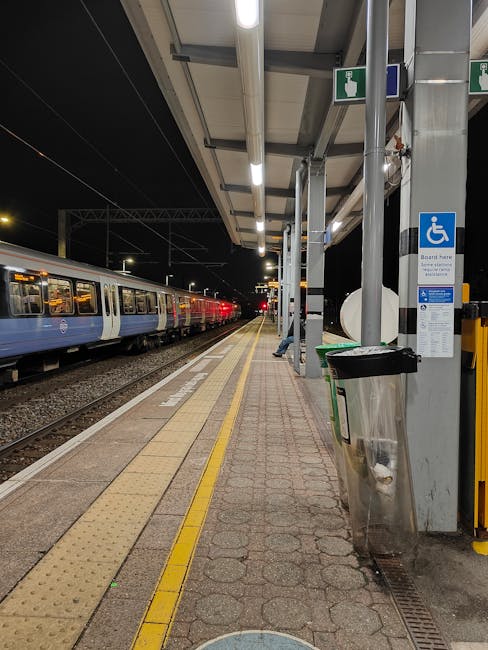
Wimbledon Chase station removals access and parking tips

If you are planning a move near Wimbledon Chase station, a little route planning goes a very long way. Roads can feel tight, parking can be awkward, and one badly placed van can turn a neat moving plan into a bit of a scramble. This guide to Wimbledon Chase station removals access and parking tips brings together the practical stuff that actually matters: where larger vehicles tend to struggle, how to set up loading safely, how to avoid parking headaches, and what to think about before moving day rolls around. Whether you are moving a flat, a family home, or a small office nearby, the goal is the same: fewer delays, less stress, and no unnecessary lifting across half the street.
To make things easier, the article also covers local moving scenarios, a simple step-by-step plan, a comparison of access methods, and a checklist you can use the day before the move. It is written for real life, not an idealised empty road that rarely exists in London. Let's get into it.
Why Wimbledon Chase station removals access and parking tips Matters
Access and parking are not glamorous parts of moving, but they are often the parts that decide whether the day feels calm or chaotic. Around Wimbledon Chase station, you are dealing with typical London moving conditions: narrower residential streets, parked cars, morning pressure from commuters, and the simple fact that unloading usually takes longer than people expect. A van that cannot get close enough means more carrying. More carrying means more time, more risk of damage, and more chance of someone twisting an ankle on the way in with a wardrobe or sofa.
That is why access planning matters just as much as packing. If you know where the vehicle can stop, where crew can walk safely, and whether there is enough space for doors, lifts, or stair turns, the rest becomes much easier. It also helps with cost control. A move that runs smoothly usually needs fewer heavy lifts, fewer stop-start moments, and less waiting around while someone wonders where the van can legally sit. Nobody enjoys paying for avoidable faff, to be fair.
There is also the local factor. Station-adjacent streets can change mood quickly depending on school runs, rail traffic, and general weekday movement. An early start might feel quietly efficient; an afternoon arrival can be another story altogether. You may not be able to control the street, but you can control how prepared you are for it.
If your move also involves storage, short-term holding, or a staggered handover, it can help to look at removals and storage as one joined-up plan rather than treating each part separately. That is often where people save the most time and stress.
How Wimbledon Chase station removals access and parking tips Works
The basic idea is simple: identify where the vehicle can reach, identify where it can stop legally and safely, then match the move plan to that reality. In practice, there are a few moving parts.
1. The access picture
First, think about the actual route from van to front door. Is there a direct path, or will items need to be carried around railings, tight corners, garden steps, or shared entrances? Even a short-looking distance can be awkward if the ground is uneven or the entrance is shared with neighbours. In an apartment move, the lift may be useful, but only if it is large enough and not booked solid. A quick check on stair width, ceiling height, and landing space can prevent a lot of stress later.
2. The parking picture
Next comes stopping space. A removals van needs room not only to park, but to load and unload without blocking the road or creating a hazard. Sometimes that means using a loading bay, sometimes a marked bay, and sometimes a short stop at the kerb while the crew keeps things moving. The key is not to assume. Look, plan, and double-check. Then check again if the move is happening at a busy time.
3. The timing picture
Timing is huge. Early morning often gives you the calmest window, especially near transport links. By late morning, the street may be busier, and parking spaces can become a game of musical chairs. If you are moving on a weekday, even ten or fifteen minutes can make a difference. That sounds dramatic, but anyone who has tried to squeeze a van into a narrow gap while another car is reversing past will know exactly what I mean.
4. The crew-and-vehicle fit
Not every move needs the same size vehicle or the same team. A small flat move might be quicker with a compact van and a couple of movers. A full house move may need a larger vehicle, more hands, and a better loading order. The point is to match the access conditions to the vehicle choice. That is where services like man and van can be a good fit for smaller or more flexible jobs, while larger moves may be better handled through house removals.
Key Benefits and Practical Advantages
Good access and parking planning does more than save time. It changes the feel of the whole move.
- Less lifting distance: The closer the vehicle can get, the fewer steps your furniture and boxes need to travel.
- Lower damage risk: Shorter carries reduce bumps, scrapes, and those irritating little knocks that happen on tight corners.
- Better team efficiency: Movers can work faster when they are not constantly walking long distances between van and property.
- Improved safety: Clear access reduces the chance of trips, slips, or strained backs.
- Cleaner timing: A move with sensible parking usually stays closer to schedule.
- Less neighbour friction: Nobody enjoys blocking a driveway or pinning in someone's car first thing in the morning.
There is also a mental benefit that people often overlook. If you know the parking plan is sorted, you can focus on the boxes, the keys, the meter readings, and the hundred small things that usually appear on moving day. That quiet confidence matters. You feel it in the first ten minutes, honestly.
For people moving between homes and a temporary stopover, it can be useful to combine the practical side with short-term storage or secure storage so the schedule is not held hostage by a single narrow handover window.
Who This Is For and When It Makes Sense
This advice is useful for anyone moving near Wimbledon Chase station, but a few groups tend to benefit most.
- Flat movers: If you are in a first-floor or upper-floor property, access planning is especially important. Stairs can turn a simple move into a workout nobody asked for.
- Families relocating from houses: Bigger loads need better parking and a clearer path to the vehicle.
- Students and sharers: Often moving with less stuff, but in tighter time windows and with less flexibility on dates. Student storage can also help if term dates and tenancy dates do not line up neatly.
- Small businesses: If you are moving files, stock, or office furniture, you need access that minimises downtime. Office removals and office storage can be worth considering if the move has to happen in stages.
- People downsizing: Parking and access matter more than they first appear, because items may need sorting, lifting, storing, and rehoming all in one go.
It also makes sense if you are moving in winter or during poor weather. Wet pavements, low light, and slippery steps make an already awkward route feel twice as awkward. A little planning on the front end can save a lot of noise and rushing later on.
Step-by-Step Guidance
Here is a practical way to plan a move around Wimbledon Chase station without overcomplicating it.
- Walk the route from door to kerb. Notice the narrow bits, steps, gates, and any awkward turns. If you can, do this with a tape measure and a phone camera.
- Measure the biggest items. Sofas, mattresses, wardrobes, desks, and appliances often matter more than the boxes. A sofa that fits through the door on paper may not love the hallway turn in real life.
- Check parking reality early. Decide where the van is most likely to stop. Think about how close it can get without blocking access or risking a ticket.
- Choose the right vehicle and team size. A compact job may suit a smaller van, while a more complex household move may need a larger setup.
- Sort the loading order. Heavy or awkward items should go in a sensible sequence, so the crew is not constantly reshuffling the van.
- Prepare a backup plan. What happens if the closest space is taken? What if the weather turns? What if a neighbour needs access? Having a second-best plan saves a lot of panic.
- Keep essentials separate. Documents, keys, medicine, chargers, and snacks should not disappear into the van. You will want them within reach.
- Confirm the handover timing. If your keys or property access are tied to a certain time, make sure the parking plan gives you a margin, not a race.
A sensible move is rarely about one big clever trick. It is usually just five or six small decisions that happen to line up properly. Boring? Maybe. Effective? Absolutely.
Expert Tips for Better Results
When people ask what makes the biggest difference, the answer is usually not "faster lifting" or "better boxes." It is better planning around the property itself.
Book your time slot with the street in mind
If you can choose your move window, aim for a time that reduces friction. Early starts are often kinder in areas with commuter movement. You may get a better parking option and fewer interruptions. That alone can shave a surprising amount of hassle off the day.
Use one person as the access checker
Have one calm person responsible for doors, keys, routes, and parking notes. Too many people trying to direct the same van is how confusion begins. A little structure helps, even if everyone thinks they are being helpful. They are, sort of. But still.
Protect the property before the first lift
Simple things like floor coverings, door protection, and keeping hallways clear make a real difference. If the entrance is tight, a quick setup at the threshold can prevent scuffs and snagged handles. It is a small detail, but these details add up fast.
Think about items that slow the move down
Bulky sofas, glass tables, awkward bed frames, and heavy cabinets are the ones that usually create pressure points. If you know one item is going to be awkward, move it early in the day while energy and patience are still high. That is not just practical. It is merciful, frankly.
Use storage strategically
If keys, completion times, or decorating work mean you cannot move everything in one go, storage is a useful pressure valve. You can separate the move into smaller, manageable stages using self storage, mobile self storage, or long-term storage depending on how long you need the items kept safe.
Common Mistakes to Avoid
Most moving-day problems are predictable. That is the annoying part. The good news is that once you know the common mistakes, you can avoid them without much drama.
- Assuming parking will be easy: This is probably the number one mistake. It feels like it should be fine, until it is not.
- Forgetting about loading distance: A "nearby" parking space can still mean a long carry if the route is awkward.
- Ignoring peak times: Morning traffic, school runs, and station activity can all change the street pattern.
- Not checking the biggest item first: If the sofa or wardrobe cannot get through, the whole plan changes.
- Leaving access questions until the day: By then, you are already on the clock.
- Underestimating wet or dark conditions: A move in a damp twilight can feel more like an obstacle course than a house transfer. A bit dramatic, yes, but not by much.
- Overfilling boxes: Heavier boxes are harder to carry and more likely to split.
One other mistake people make is trying to be heroic. They carry one more box than is sensible, or they insist a small gap is "fine" when it is clearly not. Truth be told, careful is quicker than brave in removals.
Tools, Resources and Recommendations
You do not need a huge toolkit to plan a smooth move, but a few basics help a lot.
- Measuring tape: For doorways, furniture, stair turns, and van load space.
- Phone camera: Useful for documenting access routes, tight spots, and parking options.
- Labels and marker pens: Not glamorous, but they save time when boxes start stacking up.
- Protective wraps or blankets: Helpful for furniture moving through narrow corridors.
- Box trolleys or sack trucks: A real help if access allows rolling items instead of carrying them all the way.
- Basic floor protection: Especially sensible in wet weather or shared buildings.
If your move includes fragile documents, business records, or sensitive paperwork, it can make sense to combine packing with document storage or business storage so important items are not mixed into the general move load. For a full packing and loading handover, packing services can also reduce pressure if time is tight.
For people who like a clear moving plan, a simple spreadsheet or note on your phone is enough. List the property access details, the likely parking spot, the heaviest items, the key collection time, and any restrictions on the building entrance. Nothing fancy. Just enough to stop your head from spinning at 7:30 in the morning.
Law, Compliance, Standards, or Best Practice
Moving around a station area is not just a logistics exercise. There are practical rules and expectations worth respecting, especially in London streets where space is limited and other road users need access too.
At a high level, the best practice is straightforward: park legally, avoid blocking entrances or driveways, keep access routes safe for pedestrians, and do not assume that a quick stop is acceptable unless you know it is permitted. Local parking controls, loading restrictions, and building access rules can vary, so it is wise to check the specific location rather than relying on guesswork. If a bay or loading area is available, use it properly and stay within the permitted time.
Health and safety matters too. Heavy lifting, awkward carrying angles, and wet surfaces all increase risk. Good practice is to keep walkways clear, wear suitable footwear, and team-lift larger items. If a stairwell feels tight, slow down instead of forcing the pace. That sounds simple, and it is, but people forget it when the clock starts ticking.
For reassurance on service standards, insurance expectations, and general moving safety, it can be useful to review a provider's health and safety policy and insurance and safety information. If you need to understand how your booking, payments, or storage terms are handled, the site's terms and conditions and payment and security pages are also worth a look. These pages do not replace common sense, of course, but they do help set expectations clearly.
Options, Methods, or Comparison Table
Different moves need different access strategies. Here is a simple comparison to help you decide what is most likely to work best near Wimbledon Chase station.
| Method | Best for | Strengths | Watch-outs |
|---|---|---|---|
| Kerbside loading | Short residential moves | Fast, simple, low setup | Needs enough space and legal stopping conditions |
| Loading bay or marked space | Flats and busier streets | More controlled, often safer for the crew | May require strict timing or local permissions |
| Small van access | Compact loads, tight streets | Easier to manoeuvre, better in narrow roads | May need more trips for larger jobs |
| Larger removals vehicle | Full house moves | More efficient for bigger loads | Harder to park and position in constrained streets |
| Storage-first move | Staggered handovers or decluttering | Reduces pressure on the main move day | Needs extra coordination, but usually worth it |
In plain English, smaller moves usually benefit from flexibility, while larger moves benefit from structure. If the street is tight, a smaller vehicle may save time even if it means an extra trip. If the property is straightforward and the load is large, a bigger vehicle can be the smarter choice. There is no magic answer. It depends on the street, the property, and the number of awkward pieces you own. Which, let's be honest, is usually a few more than expected.
Case Study or Real-World Example
Imagine a couple moving out of a first-floor flat near Wimbledon Chase station into a nearby rented house. They have a sofa, a double bed, a desk, two wardrobes, several boxes, and a few fragile lamps that absolutely do not like being bounced around. The first idea is to park as close as possible to the building entrance. Sounds simple. In reality, the road is tight, and there is commuter pressure in the morning.
Instead of leaving it to chance, they check the route from flat to kerb the evening before. They spot a narrow turn at the front gate and a section of pavement that would be awkward with a wardrobe. So they plan for a slightly longer carry but choose a time when parking is likely to be easier. They also keep the most fragile boxes separate and use a smaller vehicle rather than forcing a larger one into a space that is clearly not designed for it.
The move still involves work, of course. There is always some lifting. But the day stays manageable. No one is shouting across the street, nobody is circling endlessly looking for a space, and the bed frame does not get wedged in the hallway, which is always a bonus. The difference comes from the planning. Not perfection. Just planning.
If that move had been more complicated, they might have used flat removals with a temporary storage step in the middle. That would have given them breathing room if completion times or key handovers were uncertain.
Practical Checklist
Use this before moving day. It is the kind of list that saves you from silly mistakes.
- Confirm the move date, arrival window, and access arrangements.
- Walk the route from property to parking spot.
- Measure large furniture and any tight doorways or stairs.
- Decide where the van can legally and safely stop.
- Check whether loading bays, permits, or time limits matter at the address.
- Reserve lift access or building entry details if needed.
- Label fragile boxes and keep essentials aside.
- Prepare floor and door protection for tight entrances.
- Keep a backup plan for parking if the nearest space is already taken.
- Review storage options if the move needs staging.
- Confirm payment, insurance, and service terms before the day.
If you have ever moved and thought, "Why does this always take longer than I expected?", you are in good company. A checklist helps with that. It does not remove the work, but it removes a lot of uncertainty.
Conclusion
Getting Wimbledon Chase station removals access and parking tips right is really about reducing friction. The better you understand the streets, the parking options, the walking route, and the size of the load, the smoother the move becomes. That means less lifting, fewer delays, and a far calmer day for everyone involved. For smaller jobs, flexibility is often the win. For bigger moves, structure and timing matter more than anything else.
Whatever kind of move you are planning, start with the access picture before you start stacking boxes. It is one of those small decisions that pays off in a big way later. And if you need a neat way to bridge the gap between moving out and moving in, take a look at removals alongside household storage so the whole process feels more joined up and less frantic.
Get a free quote today and see how much you can save.
With a sensible plan, even a tight London move can feel surprisingly manageable. One careful step at a time, that is usually how the good ones go.
Frequently Asked Questions
What should I check first for Wimbledon Chase station removals access and parking tips?
Start with the route from the property to the road. Check for steps, narrow hallways, gates, railings, and any place where a sofa or wardrobe might catch. Then look at parking. The best plan is the one that works for both the building and the street.
Is it better to use a small van near Wimbledon Chase station?
Sometimes, yes. A smaller van is often easier to place on tight residential roads and can be a better fit for flat moves or smaller loads. The downside is that you may need more trips, so it depends on the volume of items and the time you have available.
How early should I arrange parking for moving day?
As early as you can. Ideally, think about parking when you first confirm the move date, not the night before. The closer you are to the station area, the more useful it is to plan around busy times and likely commuter movement.
Do I need to check if the van can stop outside the property?
Yes. Never assume the nearest space is fine. You need to think about legal stopping, loading restrictions, width of the road, and whether other vehicles still need access. A quick check can save a lot of trouble.
What if there is nowhere to park close to the entrance?
Then plan for a longer carry, a different vehicle size, or a different time slot. In some cases, storage can help reduce the pressure on the main move day. That is where mobile self storage or short-term storage can be useful.
Are station-adjacent moves always more difficult?
Not always, but they do tend to need more planning. Roads near stations can be busier, and parking can be tighter. If you prepare properly, though, the move can still be very smooth.
What items usually cause the most problems during access?
Large sofas, wardrobes, mattresses, fridges, desks, and glass items are the usual suspects. They are bulky, awkward, or both. If any item is especially heavy or fragile, plan its route first instead of leaving it until the end.
Should I use storage if completion times are uncertain?
Yes, storage can be a very practical buffer if key handover times, decorating work, or tenancy dates are not lined up neatly. A staged move is often easier than trying to force everything into one day.
What is the safest way to move heavy furniture through a narrow entrance?
Measure first, clear the route, protect the floor, and use two people where needed. Do not rush corners or stair turns. Slow and steady beats one heroic lift that ends badly. Every time.
Can removals and packing be handled together?
They can, and for many people it is the cleaner option. Using packing services alongside removals can reduce stress, especially if you are balancing work, family life, or a tight move-out deadline.
How do I know whether my move needs a removals company or just a man and van?
If you have a smaller load, flexible timing, and straightforward access, a man and van setup may be enough. If you are moving a full property, heavy furniture, or several rooms at once, a fuller removals service is usually more suitable.
Where can I find more support for a local move?
Helpful related services include local removals, small removals, and furniture storage if you need to split the move into stages. Choosing the right setup usually makes the day feel far less rushed, which is half the battle.